

What to Know About an Auto Body Shop Before a Repair
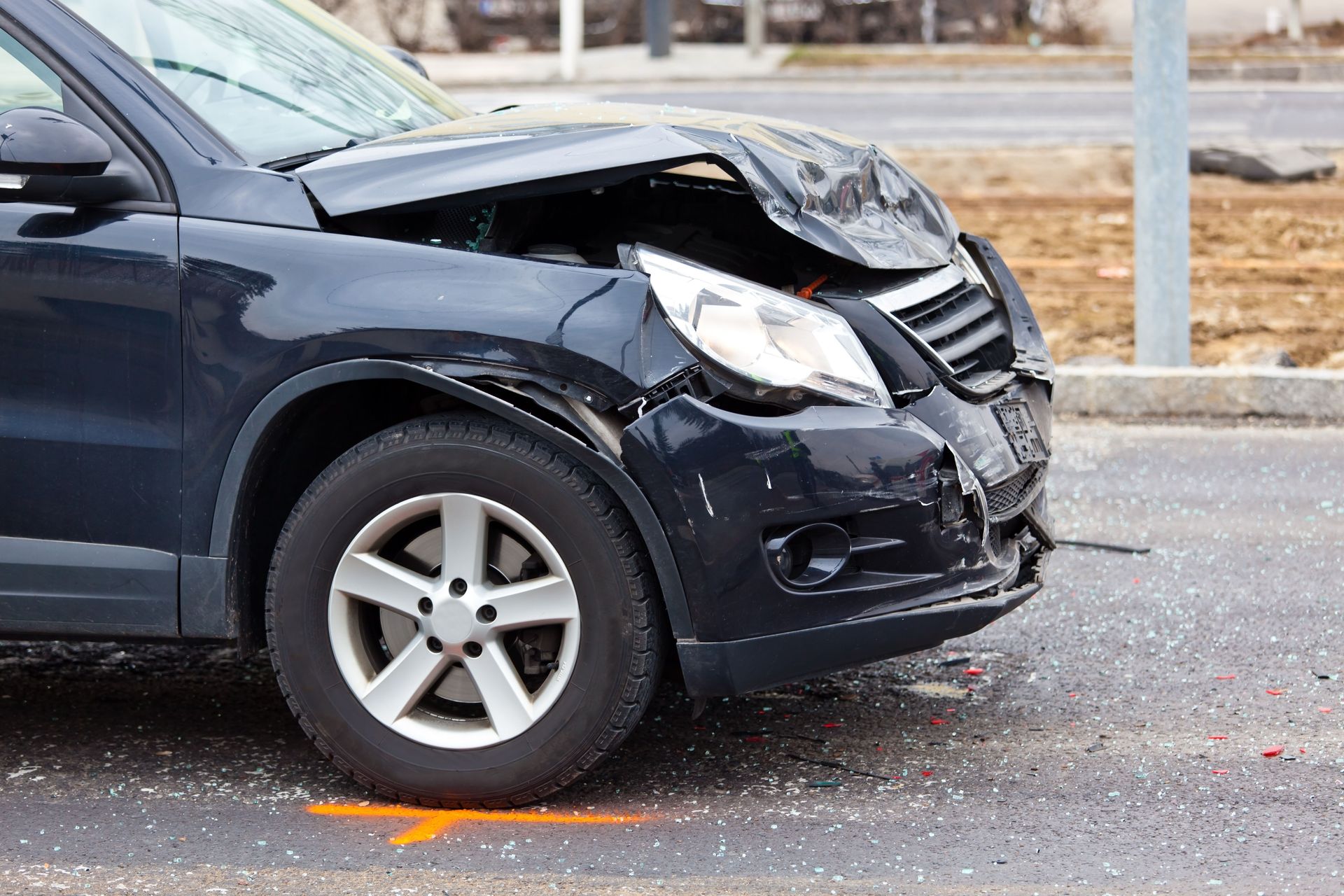
Vehicle damage can be stressful, whether it follows a collision or an encounter with road debris. Owners must decide where to have the vehicle inspected and repaired. Choosing an auto body shop involves more than finding a convenient location. Understanding a facility’s experience, repair process, and communication practices can help drivers make an informed decision.
A repair may involve visible damage and components that are difficult to assess from the outside. A dented panel or misaligned door can indicate issues with underlying structures, sensors, or safety systems. According to WifiTalents, approximately 68% of consumers say online reviews influence their choice of an independent auto body shop. Reviews offer perspective, but they are only one part of evaluating a provider. Knowing what to ask can make the process clearer.
Evaluate Experience and Repair Capabilities
Before scheduling service, consider the facility’s experience with the type of damage and vehicle involved. Collision repairs vary according to a vehicle’s age, construction, materials, and technology. Some repairs involve conventional steel panels, while others may require specialized knowledge of aluminum components, advanced driver-assistance systems, or manufacturer-specific procedures. An auto body shop should be able to explain whether its technicians and equipment are suited to the work your vehicle may need.
It is also useful to ask about the range of services available. A facility may handle collision damage, dent repair, frame work, refinishing, bumper repairs, or replacement of damaged exterior components. Understanding its capabilities shows whether work can be coordinated in one place or outside specialists may be needed. Clear information at the beginning can prevent confusion if the damage proves more extensive than initially expected.
Understand the Inspection and Estimate Process
A thorough inspection establishes the basis for a repair plan. Technicians examine visible damage and identify areas needing further assessment after affected parts are removed. The initial estimate may therefore change if hidden damage is discovered during disassembly. This is a normal possibility in collision repair, and the facility should explain how additional findings will be documented and communicated.
An estimate should describe the expected work and identify relevant parts, labor, materials, and refinishing operations. Drivers should review the document and ask about unfamiliar terms or unclear items. An auto body shop should explain what the estimate includes, what may remain subject to inspection, and how approval is handled before additional work proceeds. Understanding these details helps set realistic expectations about the scope and cost of the repair.
Review Parts and Repair Procedures
The parts used during a repair can affect fit, appearance, performance, and compatibility. Depending on the vehicle, parts may be original equipment, aftermarket, recycled, or other approved options. Availability, insurer requirements, specifications, and regulations may influence the options. Drivers should ask which parts an auto body shop is considering and how the choices relate to the vehicle.
Repair procedures matter just as much as the components. Manufacturers may publish instructions for structural repairs, welding, adhesives, corrosion protection, and safety-related components. Following appropriate procedures helps maintain the vehicle’s intended design and performance. A qualified facility should be prepared to explain how it determines the correct process for the make and model being repaired. This discussion can also clarify how the planned work relates to the vehicle’s original construction.
Confirm Technician Training and Equipment
Modern vehicles include materials and technologies that can require specialized training. High-strength steel, aluminum, adhesives, cameras, and radar sensors can affect collision procedures. Technicians need suitable knowledge and equipment to assess and repair these systems. Asking about relevant training and certifications can help drivers understand the facility’s qualifications.
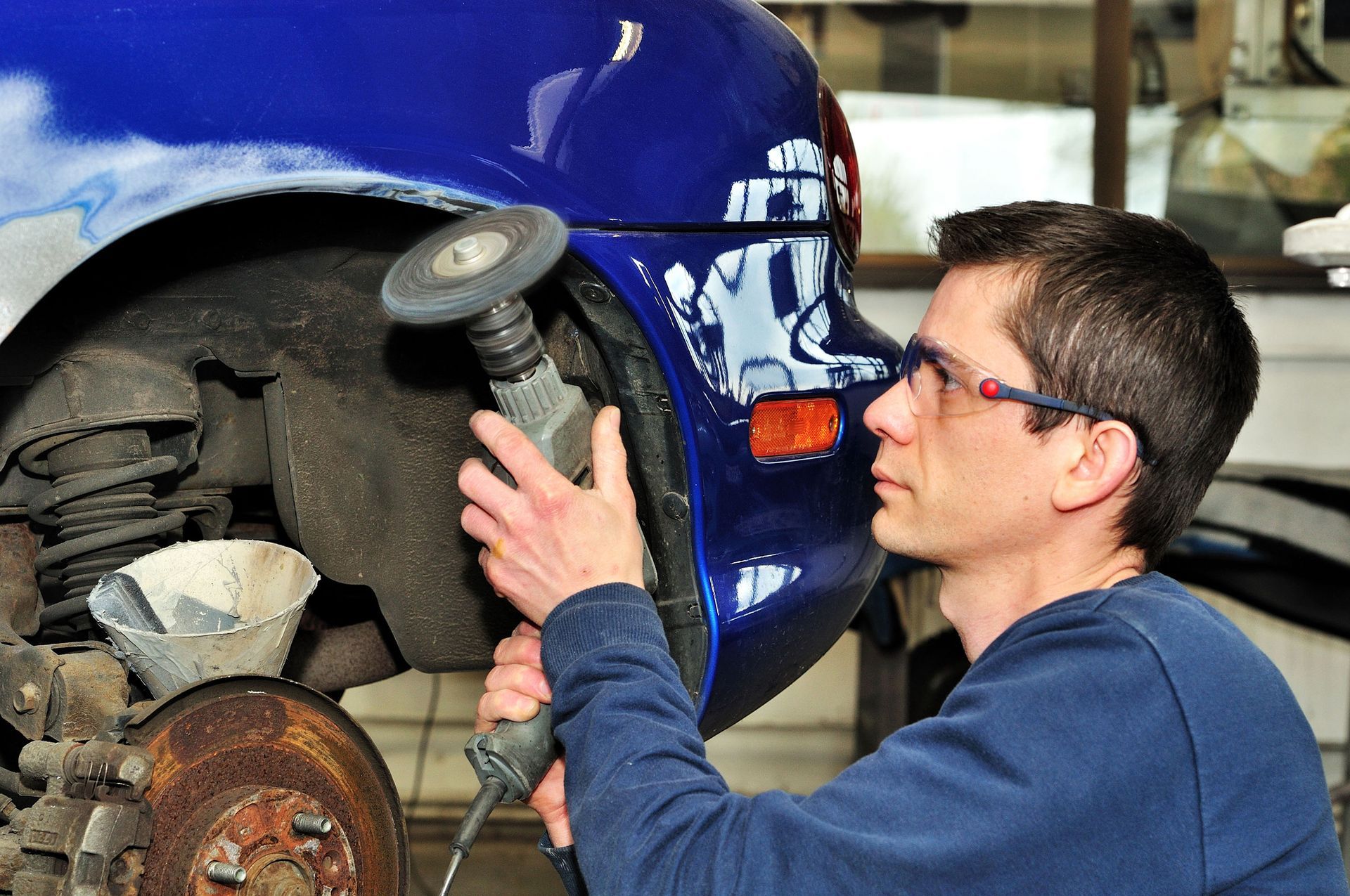
Equipment also plays an important role in repair quality. A facility may use measuring systems, frame equipment, paint-matching technology, diagnostics, and calibration tools. Not every repair requires every tool, but the shop should have access to the resources needed for the specific job. If a service must be completed by an outside provider, the facility should explain how that work fits into the overall repair process.
Examine Communication and Repair Timelines
Clear communication can make a complicated repair easier to manage. Before work begins, drivers should know who will provide updates and how questions will be handled. An auto body shop should explain the repair stages, from inspection and parts ordering through refinishing, reassembly, and final checks. Knowing the process helps customers understand why a repair may take time.
Timelines can change because of hidden damage, parts availability, insurance approvals, or repair complexity. A reliable estimate of timing should account for what is known while acknowledging factors that may affect completion. Drivers can ask how delays and revised timelines will be communicated. Regular updates reduce uncertainty and make it easier to coordinate transportation and other responsibilities.
Coordinate Insurance and Repair Documentation
Insurance may be part of the repair process, particularly when damage results from a covered collision or incident. Drivers should understand their policy, deductible, claim requirements, and insurer procedures. Depending on its practices, the facility may communicate with the insurer, prepare estimates, or provide documentation. The vehicle owner remains responsible for understanding and approving the work.
Documentation helps create a clear record of the repair. Records may include estimates, supplements, parts information, authorizations, invoices, and completed-work details. Ask how these documents will be provided and retained. A clear paper trail can be useful if questions arise later about the work performed or the amount charged.
Assess Quality Checks and Final Delivery
Before accepting the vehicle, understand what final inspections are included. Final checks may cover panel alignment, paint finish, lights, closures, warning indicators, and affected systems. If sensors or driver-assistance features were disturbed, appropriate diagnostics or calibration may be necessary. The facility should explain which checks apply to the repairs completed.
The handover is also an opportunity to review the completed work and ask questions about any remaining concerns. Drivers should receive invoices, repair documentation, and details of any applicable workmanship or parts coverage. An auto body shop should make the final status understandable and identify whether any follow-up is recommended. Clear delivery procedures help close the repair process with fewer unanswered questions.
Compare Reputation and Customer Experience
Online feedback can help identify patterns in how a facility handles repairs and customer communication. Reviews may discuss scheduling, estimates, updates, workmanship, and how concerns were addressed. Look for detailed comments about an
auto body shop across multiple sources rather than relying on a single rating or isolated review. It is also useful to consider whether the feedback relates to repairs similar to the work your vehicle needs.
Other factors can help complete the picture. Consider the facility’s location, hours, responsiveness, and willingness to explain its process. Ask whether appointments are required and how vehicles are secured while in the facility’s care. Comparing these practical details alongside experience and repair capabilities can help narrow the options without making the decision based on convenience alone.
Selecting a collision repair provider is an important step in returning a damaged vehicle to safe, dependable condition. Understanding inspection procedures, parts choices, technician qualifications, and final checks helps drivers compare providers. Taking time to discuss these areas before authorizing work can help establish realistic expectations throughout the repair.
Attleboro Collision Center Inc is available to discuss your vehicle’s damage and the repair services it may require. Our team can help explain the process, answer questions, and provide information about the next steps for your vehicle. Contact Attleboro Collision Center Inc to arrange an evaluation and discuss your collision repair needs.
Share On: