

Essential Car Repair Tips Every Driver Should Know
Every driver depends on their vehicle for daily responsibilities, commuting, and family travel. Unfortunately, even the most careful motorists can experience an accident. From minor fender benders to more significant impacts, collisions can affect your vehicle's structure, safety systems, and appearance. Knowing what to do after an accident and understanding the importance of professional collision-focused car repair can protect both your investment and your safety. When your vehicle has been damaged, choosing experienced professionals who specialize exclusively in collision restoration is essential. In this article, we'll cover essential collision car repair tips every driver should know and explain why specialized service matters after an accident.
Prioritizing Safety Immediately After a Collision
The first and most important step after any accident is safety. Check yourself and your passengers for injuries and move to a safe location if possible. Turn on hazard lights and contact emergency services when necessary.
Even if the collision seems minor, it's important to document the scene. Take photos of vehicle damage, license plates, road conditions, and any relevant traffic signs. Exchange insurance information with the other driver and obtain a copy of the police report if one is filed.
These steps support a smoother insurance claim process and provide valuable documentation when seeking professional collision car repair services.
Understanding the Importance of Structural Integrity
Modern vehicles are designed with crumple zones and reinforced frames that absorb impact during a collision. While exterior dents may appear cosmetic, underlying structural damage can compromise safety.
Professional collision repair technicians use advanced measuring systems to assess frame alignment. Even slight misalignment can affect handling, tire wear, and crash protection in future accidents.
Specialized collision shops have the tools and training necessary to restore structural components to manufacturer specifications. Proper repairs help confirm that your vehicle performs as designed in the event of another impact.
Recognizing Hidden Damage Beyond Surface Dents
After a collision, damage is not always visible to the untrained eye. Bumpers often conceal sensors, brackets, and impact absorbers that may be compromised even in low-speed accidents.
Additionally, internal components such as suspension systems, radiators, and electrical wiring can sustain damage without obvious signs. Driving a vehicle with hidden damage may worsen the issue over time.
Seeking professional car repair from a collision-focused facility allows technicians to conduct thorough inspections. Diagnostic tools and teardown procedures help uncover problems that might otherwise go unnoticed.
Restoring Advanced Safety Systems Properly
Today's vehicles are equipped with sophisticated safety features, including airbags, blind-spot monitoring, lane departure warnings, and collision avoidance systems. These technologies rely on precise calibration.
After an accident, sensors and cameras may shift out of alignment. Even slight deviations can impact system accuracy. Professional collision repair specialists are trained to recalibrate these systems using manufacturer-approved equipment.
Improper calibration can reduce the effectiveness of safety features. Choosing a facility that specializes in collision car repair helps protect the functionality of these critical systems.
Navigating the Insurance Claims Process Smoothly
Dealing with insurance companies after an accident can feel overwhelming. Understanding your rights and options is important when selecting a repair facility.
Drivers typically have the right to choose their own collision repair shop, even if an insurer recommends a specific provider. Working with experienced professionals who regularly handle insurance claims can simplify the process.
Collision repair specialists often communicate directly with insurance adjusters, provide detailed estimates, and document all necessary repairs. This support helps reduce stress and confirms that your vehicle receives comprehensive restoration rather than minimal fixes.
Using Manufacturer-Approved Parts and Procedures
Quality matters in collision restoration. Reputable facilities follow manufacturer repair guidelines and use approved parts whenever possible.
Original equipment manufacturer (OEM) parts are designed to match your vehicle's specifications precisely. In some cases, high-quality alternatives may also be appropriate, but professional guidance is essential.
Specialized car repair centers that focus solely on collision damage understand the importance of maintaining structural strength and safety performance. Proper parts and procedures help protect resale value and long-term reliability.
Protecting Your Vehicle's Paint and Finish
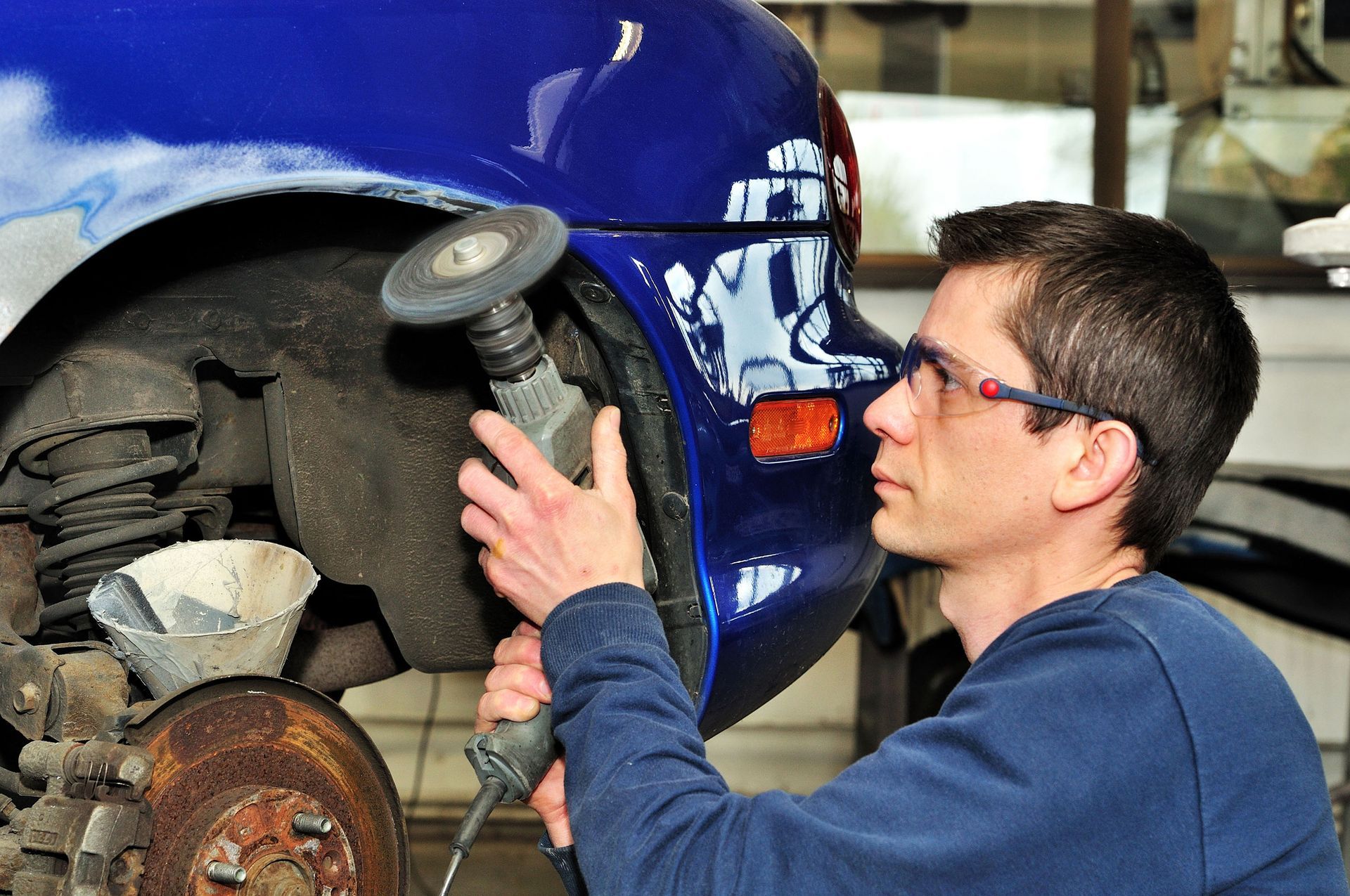
A collision does more than dent metal—it can damage paint layers and protective coatings. Professional refinishing is a detailed process that involves color matching, surface preparation, and clear coat application.
Advanced paint-matching technology allows collision specialists to blend new paint seamlessly with existing panels. This precision prevents noticeable color differences and restores your vehicle's appearance.
Proper refinishing also protects against rust and corrosion. Skipping professional paint repair can lead to long-term deterioration, especially in areas with harsh weather conditions.
Avoiding Delays in Necessary Repairs
Some drivers delay repairs if their vehicle appears drivable. However, postponing professional attention can worsen damage.
For example, misaligned panels may trap moisture, leading to rust. Damaged headlights or taillights can compromise visibility and increase the risk of further accidents.
Addressing collision damage promptly helps maintain safety and prevents minor issues from escalating into more extensive car repair needs.
Understanding the Scope of Collision Services
Collision repair encompasses more than dent removal. It may include frame straightening, panel replacement, glass repair, airbag replacement, and sensor recalibration.
According to KVIA, there are 53 automotive and maintenance establishments per 100,000 people in the United States. However, not all facilities specialize exclusively in collision repair. Choosing a dedicated collision center confirms that technicians focus specifically on post-accident restoration rather than general mechanical services.
This specialization often results in more precise workmanship and greater familiarity with evolving vehicle safety technologies.
Evaluating a Collision Repair Facility Carefully
Before authorizing repairs, take time to evaluate the facility. Look for industry certifications, trained technicians, and positive customer reviews. You can also ask how long the shop has been serving the community and whether they specialize exclusively in collision repair services. Longevity and specialization often reflect consistent workmanship and customer satisfaction.
Certifications from recognized organizations indicate that technicians have completed specialized training. A clean, organized workspace and modern equipment also reflect professionalism. Advanced frame machines, computerized measuring systems, and paint booths signal that the facility is equipped to handle complex structural and refinishing work. These resources are especially important for restoring late-model vehicles with advanced safety technology.
Maintaining Communication Throughout the Repair Process
Clear communication is essential during collision restoration. Ask for a detailed estimate outlining labor, parts, and timelines. Understanding each phase of the repair process helps set realistic expectations and reduces uncertainty. It also allows you to compare estimates accurately if you are reviewing multiple facilities.
Professional shops provide updates as repairs progress and notify you if additional damage is discovered during disassembly. Open communication builds trust and prevents unexpected surprises. If supplemental repairs are needed, a reputable facility will explain why they are necessary and seek approval before proceeding. This level of transparency helps you stay informed and in control of the process.
Collisions are stressful, but knowing how to respond can make a significant difference in both safety and financial outcomes. Prioritizing immediate safety, documenting the scene, and seeking specialized collision car repair services are essential steps after an accident.
From restoring structural integrity and recalibrating safety systems to protecting your vehicle's finish and navigating insurance claims, professional collision specialists play a vital role in returning your vehicle to pre-accident condition. Delaying or choosing inexperienced providers can compromise safety and long-term performance.
If your vehicle has been involved in an accident, do not take chances with its restoration. Contact Attleboro Collision Center Inc today to begin the process of restoring your vehicle safely and professionally.
Share On: