

Top Signs You Need an Auto Collision Repair Services Immediately
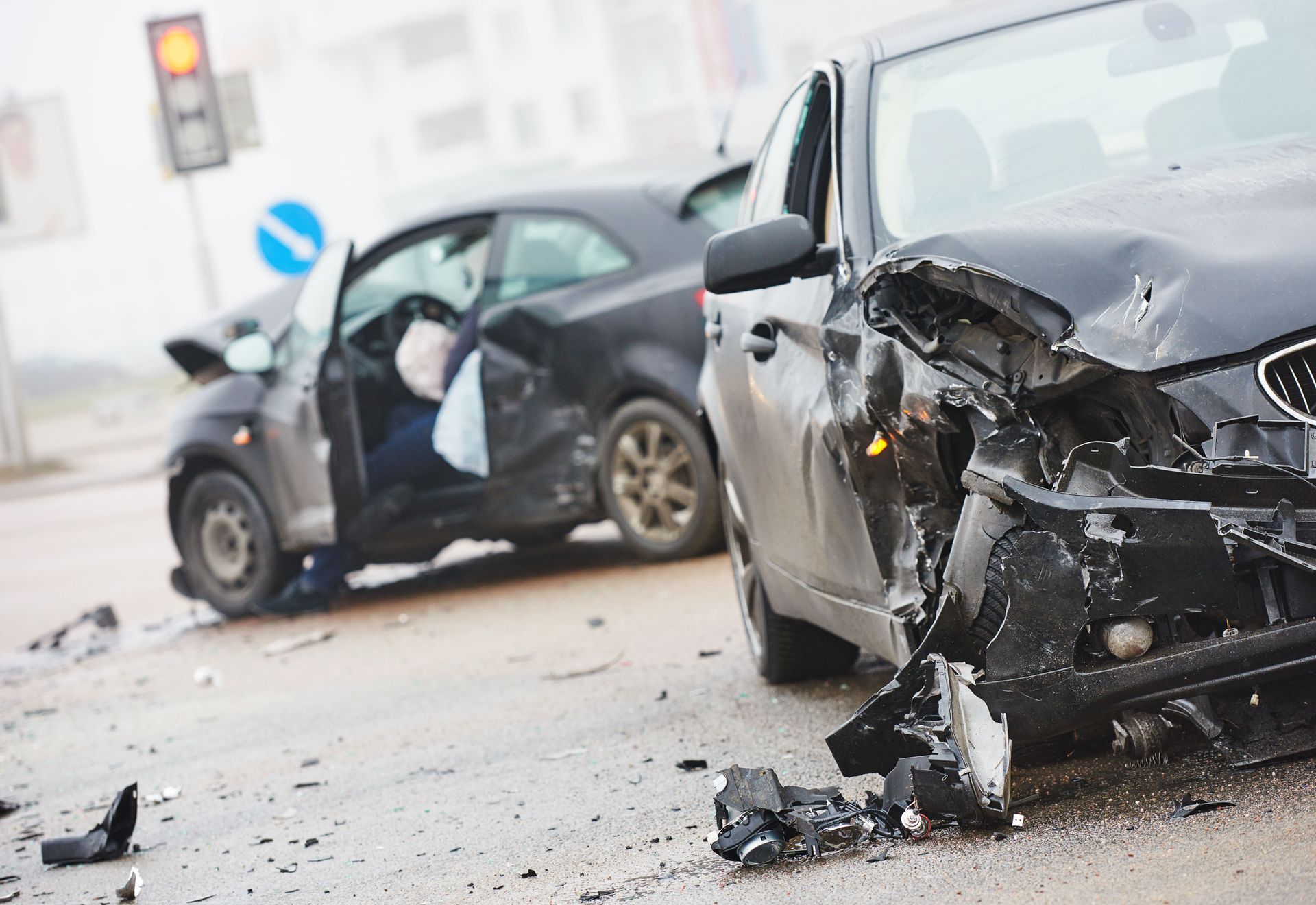
Knowing when a vehicle needs immediate attention plays a critical role in safety, reliability, and long-term performance, especially after an accident. Even low-impact collisions can disrupt structural alignment, affect mechanical systems, and interfere with onboard safety features that drivers rely on every day. Modern vehicles are engineered with interconnected components, meaning damage in one area can influence performance elsewhere, sometimes without obvious visual clues. Ignoring early warning signs may lead to escalating concerns that compromise drivability, increase repair timelines, and reduce overall vehicle value.
Passenger vehicles remain essential for commuting, family transportation, and daily responsibilities, making consistent operation a necessity rather than a convenience. Because these vehicles are used so frequently, collision-related wear or damage can quickly affect safety and efficiency if left unaddressed. Sounds, smells, dashboard alerts, and changes in handling often serve as the first indicators that something is no longer functioning as intended. Recognizing these signals early allows concerns to be addressed before they interfere with everyday travel, leading directly into the most common warning signs that indicate the need for professional auto collision repair.
Identify Noise Issues After Impact
Unusual noises following a collision often signal hidden structural or mechanical concerns. Squealing or grinding sounds during braking may point to misaligned components or damage caused during impact. Knocking or clunking noises from beneath the vehicle can indicate suspension or frame-related concerns that affect handling and stability.
Rattling sounds while driving frequently result from loosened body panels or internal mounting points disturbed during a collision. Hissing or sizzling noises may suggest compromised fluid lines near impact zones, which can lead to overheating or mechanical strain. Exhaust-related noises may also indicate damage affecting emissions flow and engine efficiency.
According to KVIA, passenger vehicles account for 34.4% of automotive repairs across vehicle types in the U.S. market, driven by heavy daily reliance on these cars. This level of usage reinforces why post-collision noise concerns should be evaluated promptly. Addressing these warning signs through professional auto collision repair supports safety and helps prevent secondary damage.
Monitor Warning Lights Carefully
Dashboard warning lights often activate after collision-related events, even when exterior damage appears minimal. Sensors connected to safety, braking, and drivetrain systems may detect misalignment or disrupted communication. A check engine light can indicate mechanical stress caused by impact force rather than routine wear.
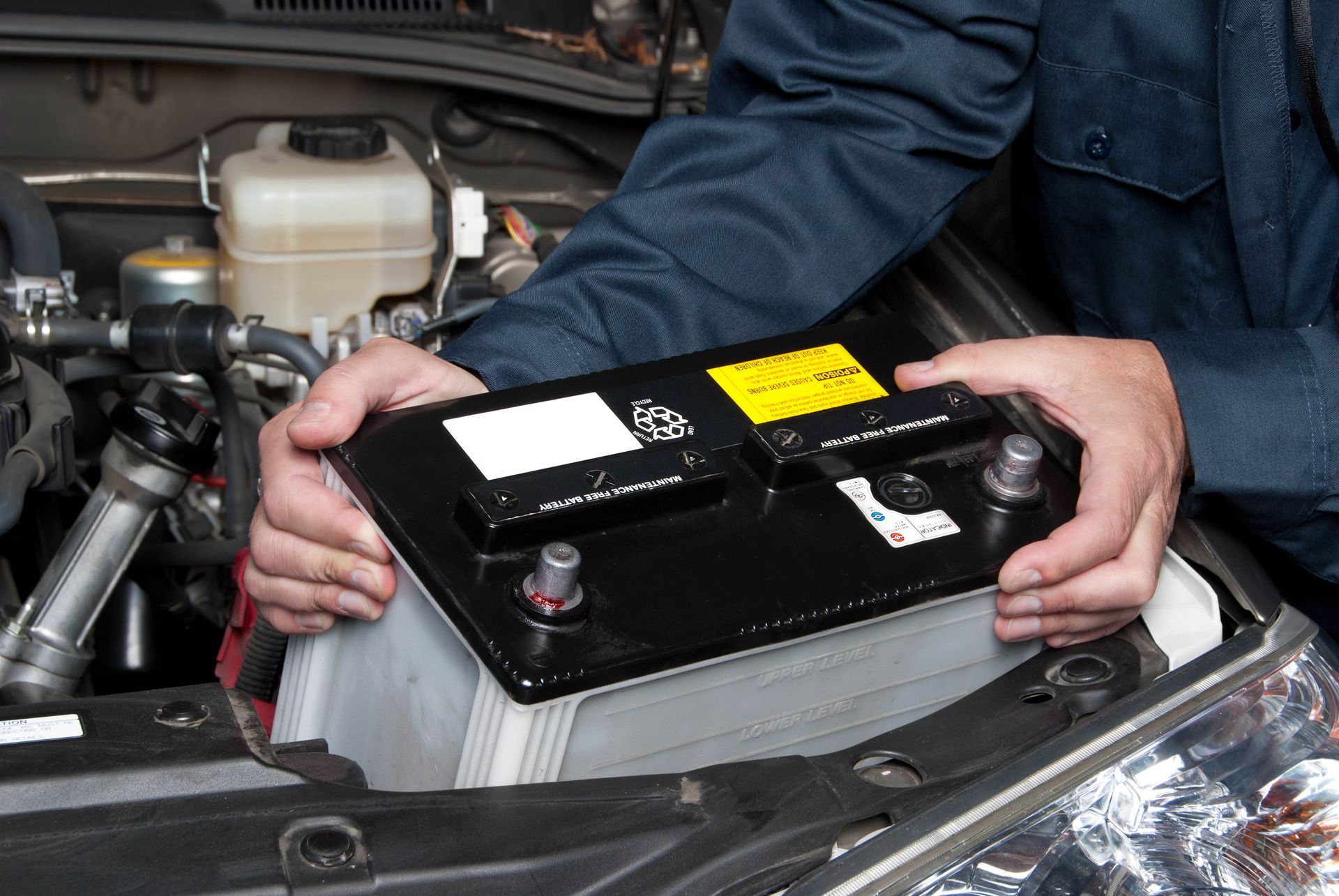
Airbag system alerts deserve immediate attention, as they may signal sensor displacement or incomplete system readiness. Brake warnings can reflect compromised hydraulic lines or altered brake geometry. Battery and electrical alerts may result from wiring strain or damaged mounting points.
Advanced diagnostic scanning plays a vital role in collision assessment. Cutting-edge diagnostic tools allow technicians to pinpoint affected systems accurately. Early evaluation ensures warning lights are addressed before they lead to larger operational concerns.
Detect Fluid Loss Without Delay
Fluid leaks following a collision should never be overlooked. Oil, coolant, transmission fluid, or brake fluid loss often occurs when impact forces disrupt seals or lines. Even small leaks can escalate into larger mechanical concerns if left unaddressed.
Oil loss reduces lubrication and accelerates internal wear. Coolant leaks affect temperature control and raise overheating risk. Transmission fluid loss impacts shifting performance and drivability. Brake fluid loss directly compromises stopping capability and overall safety.
Professional inspections trace leaks back to their source and restore proper containment. Prompt attention protects surrounding components and preserves long-term vehicle reliability.
Recognize Alignment and Frame Changes
Vehicle alignment issues commonly appear after collisions, even low-speed impacts. Pulling to one side, uneven tire wear, or off-center steering wheels often indicate structural shifts. These changes affect handling precision and driver control.
Frame misalignment places uneven stress on suspension components and reduces overall ride stability. State-of-the-art frame correction plays a key role in restoring factory alignment specifications. Without proper correction, additional systems may experience premature wear.
Evaluating structural integrity ensures the vehicle responds predictably in everyday driving conditions. Professional auto collision repair restores balance, supports safety systems, and enhances overall driving confidence.
Evaluate Performance Differences
Performance changes often follow collision-related damage. Hesitation during acceleration, reduced power delivery, or inconsistent shifting may reflect mechanical misalignment or damaged components. Difficulty starting can indicate electrical or sensor-related disruption caused by impact.
Reduced fuel efficiency may also signal drivetrain resistance or airflow interference. Rough idling and stalling increase safety risks and suggest the need for immediate evaluation. These symptoms rarely resolve independently and often worsen over time.
Collision-related mechanical repairs address these concerns by restoring proper system interaction. Timely auto collision repair helps maintain dependable performance and minimizes unexpected interruptions.
Notice Odor Changes Promptly
Unfamiliar odors after a collision frequently indicate underlying damage. Burning smells may result from components rubbing or overheating due to misalignment. Fuel odors suggest compromised fuel lines or connections that require immediate attention.
Exhaust-related smells inside the cabin may indicate leaks caused by impact-related displacement. Musty odors can result from moisture intrusion following body damage. Each odor provides insight into affected systems.
Investigating these concerns early protects both vehicle occupants and system integrity. Professional diagnostics identify odor sources accurately and restore proper operation.
Schedule Safety Evaluations Consistently
Comprehensive safety evaluations play a vital role after collision events. Structural integrity, electronic monitoring systems, and braking response all contribute to occupant protection. Even when damage appears cosmetic, internal systems may be affected.
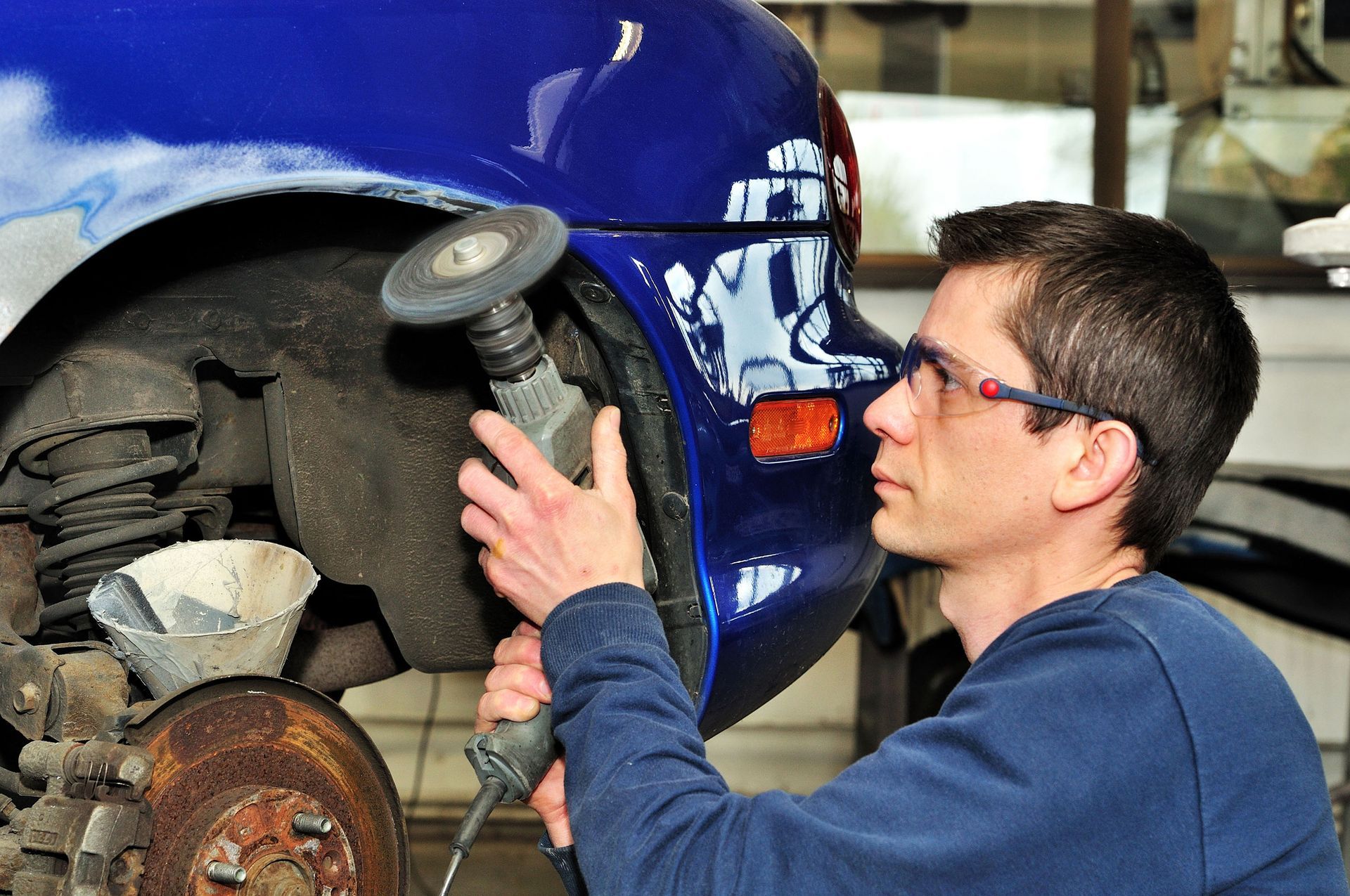
Premium paint solutions, precision bodywork restoration, and custom metal craftsmanship ensure both appearance and protection are addressed together. Dent and ding removal also supports panel alignment and corrosion prevention.
Routine evaluations complement ongoing auto collision repair efforts and help maintain long-term dependability.
Address Hidden Damage Through Thorough Inspections
Collision damage is not always visible on the surface. Beneath exterior panels, mounting points, wiring pathways, and safety components may be affected by impact forces. Even minor collisions can transfer energy throughout the vehicle structure, altering how systems function during daily operation.
Comprehensive inspections focus on high-impact areas such as suspension geometry, structural connection zones, and sensor placement. Advanced diagnostic technology supports accurate evaluations by identifying inconsistencies within both electronic and mechanical systems. This approach ensures all affected areas are addressed rather than only visible damage.
Identifying hidden concerns early helps prevent progressive wear and unexpected complications. Proper documentation also supports smoother insurance claim assistance and reduces delays during the auto collision repair process. Thorough inspections reinforce vehicle safety and long-term reliability.
Restore Value Through Professional Restoration
Preserving vehicle value requires accurate restoration after collision damage. Proper body alignment, finish consistency, and mechanical function all influence resale and longevity. Addressing damage promptly prevents secondary wear and maintains manufacturer specifications.
Insurance claim assistance supports a smoother repair process and helps ensure repairs align with coverage requirements. Comprehensive vehicle safety evaluation confirms that restored systems operate as intended.
Professional restoration reinforces durability and supports confident ownership after collision-related events.
Recognizing the signs that point to the need for immediate auto collision repair allows drivers to act before minor concerns develop into long-term challenges. From noise changes and warning lights to fluid loss, alignment issues, performance differences, and unusual odors, each indicator provides valuable insight into vehicle condition. When expert evaluation is required, working with an experienced repair facility ensures accurate assessment and thorough restoration. At Attleboro Collision Center Inc., we encourage proactive care, and we invite drivers to contact us to schedule an evaluation so our team can help restore safety, performance, and confidence on the road.
Share On: