

What to Check After a Car Accident: Your Complete Auto Repair Guide
Car accidents are stressful, overwhelming, and sometimes physically and emotionally challenging. Even a minor collision can leave your vehicle with hidden damage that may not be immediately obvious. While it’s essential to ensure everyone’s safety at the scene and address any injuries first, taking care of your vehicle through proper auto repair is equally important. Failing to check for damage or delaying repairs can lead to long-term mechanical issues, safety hazards, and even reduced resale value.
This guide will walk you through what to check after a car accident, highlight the importance of professional inspections, and provide tips for managing repairs efficiently. By following these steps, you can protect your investment, ensure your safety on the road, and restore your car to its pre-accident condition.
Inspect the Exterior for Visible Damage
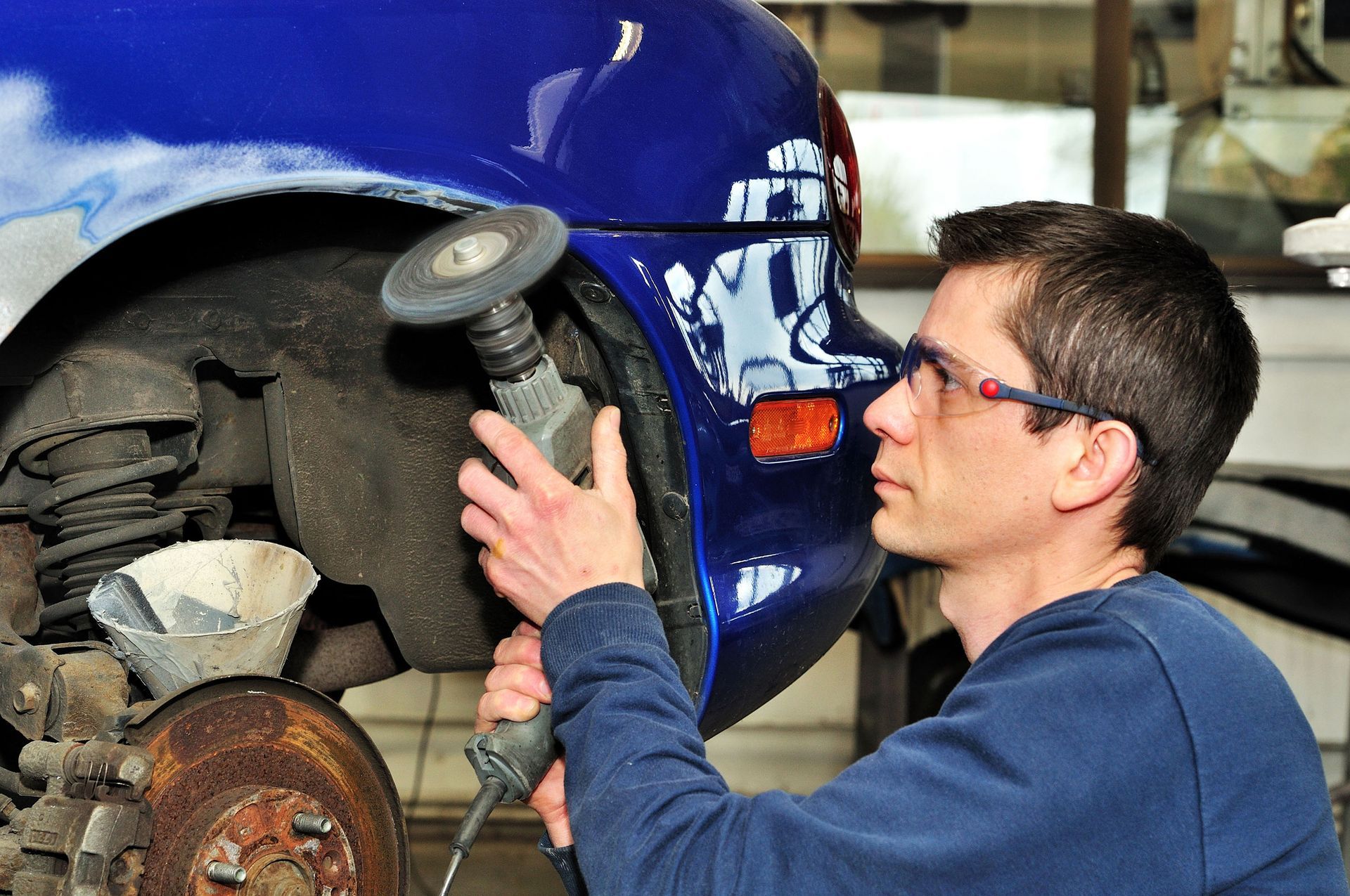
The first step after a car accident is to carefully examine the exterior of your vehicle. Start with the most obvious areas, such as the front and rear bumpers, fenders, doors, and side panels. Look for dents, scratches, or cracks in the bodywork that may compromise structural integrity. Even small cosmetic damage can worsen over time if left untreated.
It’s also important to check for misaligned panels, gaps between doors or the hood, and signs of paint chipping. These subtle indicators may point to deeper structural issues that require professional attention. Auto repair specialists often use diagnostic tools to assess frame damage that isn’t visible to the naked eye, which is why a thorough inspection is crucial.
Additionally, check lights, mirrors, and windshield integrity. Cracked windshields or damaged headlights and taillights can affect visibility and safety, making timely repairs essential. Identifying and addressing these issues promptly ensures that your vehicle remains both functional and safe to drive.
Examine the Mechanical Components
After a visual inspection, focus on the mechanical components under the hood and beneath the vehicle. Even a seemingly minor collision can impact your car’s engine, transmission, suspension, or steering system. Look for leaks from the radiator, engine, or transmission, as these can indicate serious internal damage.
Listen for unusual sounds when starting your vehicle or during a short test drive. Grinding, knocking, or rattling noises may signal problems that require immediate attention from auto repair professionals. Additionally, check for warning lights on the dashboard, which can indicate issues with the airbags, brakes, or engine systems.
Pay special attention to the tires and alignment. Misaligned wheels or uneven tire wear can result from impact, affecting handling and safety. An auto repair shop can perform a full alignment check and suspension inspection to prevent long-term wear and improve driving stability.
Don’t Forget the Interior and Safety Features
Damage from a car accident isn’t always limited to the exterior or mechanical components. Interior elements and safety features can also be compromised. Begin by checking airbags, seat belts, and seat mounts to ensure they function correctly. Airbags that have deployed will need immediate replacement, and any malfunctioning seat belts should be repaired to maintain occupant safety. Don’t overlook the seats themselves, as a collision can sometimes loosen mounts or damage seat frames, affecting comfort and safety.
Inspect the dashboard, steering column, and pedals for signs of damage. Even minor shifts in the structure of these components can affect your vehicle’s operation and safety. Additionally, check electronic systems, including infotainment, sensors, and backup cameras. Modern vehicles rely heavily on electronics for safety and convenience, and issues in these systems should be addressed as part of your auto repair plan. Faulty sensors or electronic malfunctions can interfere with advanced driver-assistance systems, so addressing these issues promptly is critical.
It’s also wise to evaluate the condition of your vehicle’s glass. Cracks or chips in windows and mirrors can worsen over time and impair visibility. Repairing or replacing damaged glass promptly ensures your car remains safe and roadworthy. Don’t forget to inspect the windshield wipers and rearview mirror attachments, as impacts can loosen them, reducing visibility and overall driving safety. Regular attention to these details helps prevent minor problems from turning into costly repairs later.
Find the Right Auto Repair Shop
Once you’ve identified potential damage, the next step is choosing a reliable auto repair shop. It’s important to work with experienced professionals who understand the nuances of post-accident repairs and use quality parts and techniques. A reputable shop can provide a detailed assessment, including a written estimate for repairs, which can also help with insurance claims.
According to KVIA, there are 53 automotive and maintenance establishments per 100,000 people in the U.S. This means that finding a nearby auto repair facility is relatively easy, but quality and experience can vary significantly. Look for shops with positive customer reviews, certifications from industry organizations, and experience handling accident-related repairs.
Ask the shop about their process for addressing both visible and hidden damage. Many modern vehicles require specialized tools for frame straightening, electronic diagnostics, and paint matching. Choosing a shop equipped with the right technology ensures that your vehicle is restored to its pre-accident condition safely and efficiently.
Manage Auto Repairs Efficiently
Managing auto repair after a car accident can feel overwhelming, especially with insurance claims, scheduling repairs, and arranging alternative transportation. The first step is to stay organized and document everything carefully. Take clear photos of all visible damage before leaving the accident scene, and keep copies of repair estimates, receipts, and any correspondence with your insurance company. These records will make the repair and claims process much smoother.
It’s important to communicate with your insurance provider as soon as possible. Understand what your policy covers, including collision repairs or reimbursement for a rental vehicle while your car is being repaired. Knowing your coverage ahead of time can prevent surprises and make the process more manageable.
When scheduling repairs, prioritize safety-related issues first. Structural, mechanical, and essential systems such as brakes, airbags, and suspension should be addressed before cosmetic concerns like scratches or dents. Delaying repairs can lead to further damage, higher costs, and potential safety risks, so arranging repairs promptly is essential.
Finally, don’t hesitate to ask questions throughout the repair process. Understanding the procedures, the parts being used, and the estimated timeline helps you make informed decisions and reduces stress. By staying organized, being proactive, communicating effectively, and focusing on safety, you can navigate the auto repair process with confidence and ensure your vehicle is restored to its best condition.
A car accident can be a frightening and disruptive experience, but knowing what to check afterward helps you take control of the situation. From inspecting the exterior and mechanical components to evaluating interior safety features, each step plays a crucial role in ensuring your vehicle is safe and reliable. Partnering with a trusted auto repair shop and following best practices for managing repairs can save time, money, and stress while protecting your investment.
By taking the time to assess damage carefully and address repairs promptly, you can prevent minor issues from becoming major problems. Remember that auto repair isn’t just about fixing what’s visible—it’s about ensuring your vehicle remains safe, functional, and dependable for years to come. Whether it’s for safety, aesthetics, or resale value, investing in thorough post-accident auto repair is always worthwhile.
Don’t let post-accident damage compromise your safety or your vehicle’s performance. Contact Attleboro Collision Center Inc today for expert auto repair services and let our skilled team restore your car to its pre-accident condition quickly and reliably. Schedule your inspection now and drive with confidence again!

Share On: